


Responding to the Women’s Tennis Association (WTA)’s decision to halt all competitions in China, Doriane Lau, Amnesty International’s China researcher said:
“Amnesty International shares the WTA’s concern about the state censorship around allegations made by Peng Shuai and the related online discussion. The Chinese government has a track record of silencing women who make allegations of sexual violence.
Background
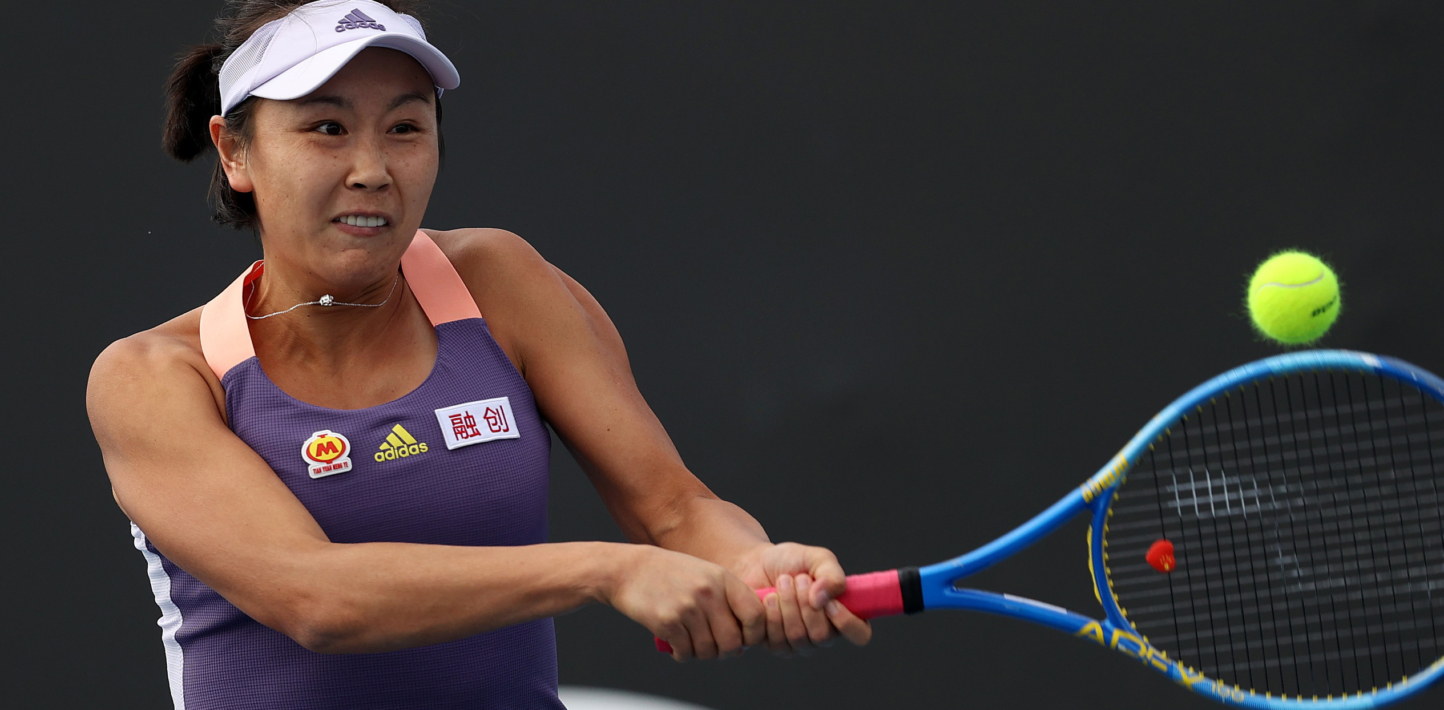
The Women’s Tennis Association CEO and Chairman announced in a statement on 1 December the “immediate suspension” of all WTA tournaments in China. The statement said the WTA could not ask its athletes to compete in China when Peng Shuai was not allowed to communicate freely and has “seemingly been pressured to contradict her allegation of sexual assault.”
On 2 November Peng Shuai made a post on the Chinese social media website Weibo in which she accused retired Chinese Vice Premier Zhang Gaoli of coercing her into sex. The post and reference to her on Chinese social media were swiftly cut.
Her communications with the outside world since then have been extremely limited, including an email she supposedly sent to tennis authorities – released by the TV channel CGTN on – in which she says allegations of sexual assault are “not true” and that “everything is fine”. She also appeared in a video call with an official from the International Olympic Committee (IOC).
China has a history of releasing forced “statements” on behalf of human rights activists. For example, state TV aired the “confessions” of Chinese human rights lawyers Wang Yu and Jiang Tianyong when they were in detention.